
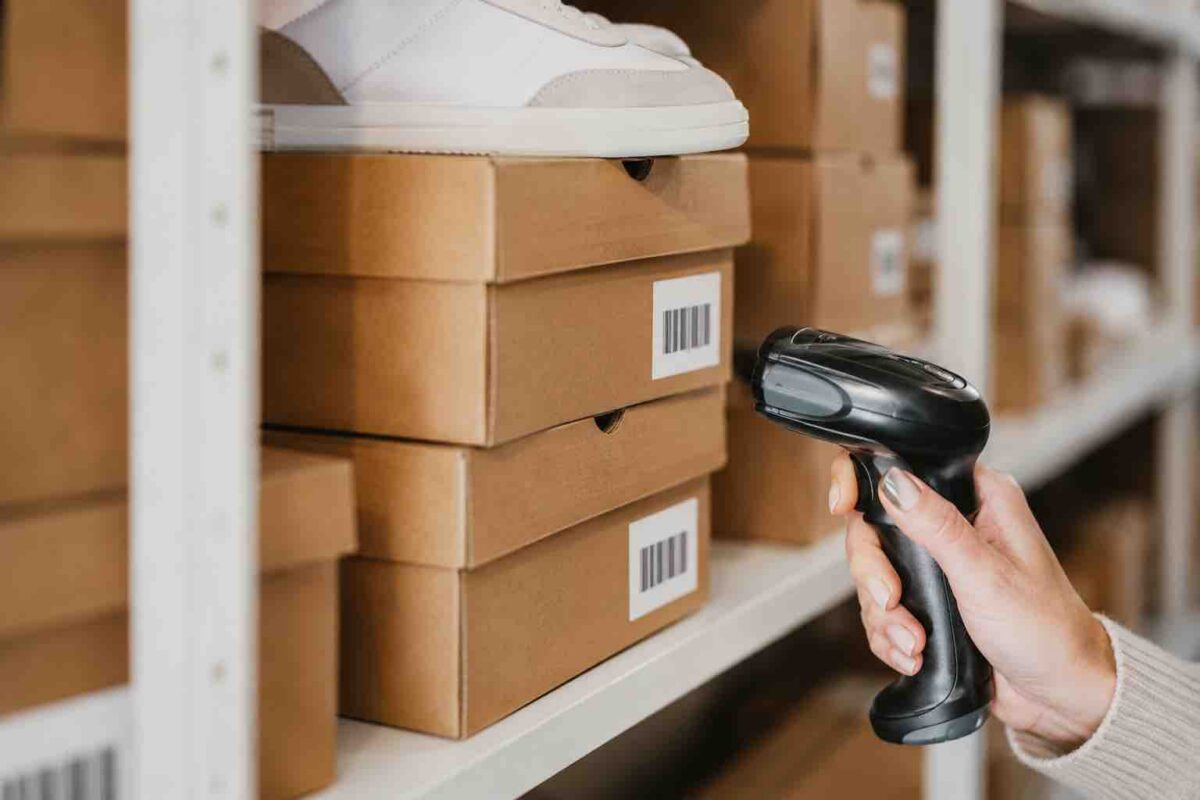
Australian footwear retailers often face significant cash flow pressure due to the nature of holding diverse inventories by style, size and colour. Managing many SKUs across multiple stores introduces unique challenges. Effective inventory management and optimisation have become essential for retailers who want to maximise profitability and free up working capital. Today, footwear and apparel retailers can leverage advanced solutions, such as AI inventory software retail platforms, to drive efficiency, accuracy and financial strength in their business operations.
Why Footwear Inventory Becomes Cash-Flow Heavy
Footwear retailers typically hold stock in a wide range of sizes and colours to satisfy customer expectations. The result is that inventory investments quickly add up and tie up considerable cash. Unlike many other retail segments, shoes require a size curve for each style, multiplying stockholding requirements. When inventory is not carefully tracked and planned, stores end up with slow-moving lines and deadstock that directly affect cash flow. Particular reliance on frequent markdowns to clear excess inventory further erodes margin and profitability.
Size Curve Inefficiencies in Footwear Retail
The importance of size curve optimisation in the footwear industry cannot be overstated. Customers expect the right size to be available when they shop. Stocking entire runs of every size, however, increases inventory levels and cash requirements. Traditional methods often lead to overbuying less popular sizes that remain unsold for long periods. Modern footwear inventory management software can help analyse sales history by size and style, guiding smarter purchasing. With these insights, shoe store inventory software can support better allocation and stock depth by size, reducing stockouts yet preventing excess inventory build-up in less popular sizes.
Excess Inventory Management and Markdown Dependency
Holding surplus inventory costs shoe retailers twofold. First, it ties up capital in unsold goods. Second, it leads to excessive markdowns to clear space for new collections. This dependency on markdown events not only shrinks gross margins but also signals poor inventory management to suppliers and customers. AI inventory software retail tools now offer automated alerts and actionable suggestions for timely stock replenishment and sell-through. These systems help prevent over-ordering or under-ordering, resulting in lower markdown dependency and more predictable cash flow.
Improving Forecasting for Footwear Demand
One of the most significant advances in inventory optimisation footwear strategies comes from retail inventory forecasting. AI forecasting algorithms analyse sales history, seasonal patterns and local market preferences to predict demand more accurately than traditional manual methods. By integrating retail inventory forecasting tools, apparel and shoe retailers can better anticipate sales trends, manage promotional activity and respond to sudden spikes or drops in demand. Accurate forecasting leads to improved inventory turnover, reduced carry-over stock and healthier cash positions for footwear stores.
Managing Seasonal Footwear Inventory
Seasonal changes have a marked effect on inventory levels in the Australian footwear industry. Winter boots and summer sandals move at different times, requiring specialised management. Retailers must not only estimate the right mix but also time deliveries correctly to balance stock availability with minimising excess at season end. Footwear inventory management software with centralised inventory control provides real-time inventory tracking, supports multi-location planning and ensures that seasonal stock levels align with market demand, freeing up cash for new ranges with minimal waste.
Multi-Store Footwear Allocation and Centralised Control
Managing inventory across multiple stores increases the complexity of rapid allocation and balanced stock levels. Centralised inventory control allows retailers to view stock positions at each location and reallocate products proactively. Top-performing stores can receive more in-demand sizes and styles, while underperforming outlets reduce their stock exposure. Advanced shoe store inventory software supports seamless stock transfers, rebalancing and minimises inter-store transfers’ administrative burden. This agility helps retailers match supply with local demand efficiently without increased working capital requirements.
AI Forecasting and Real-Time Inventory Tracking
AI forecasting is transforming the way footwear stores plan and manage their inventory. Retailers now use AI-powered analytics not just for high-level sales trends but for granular, SKU-level predictions. Modern AI inventory software retail solutions learn from historical sales, promotions, local events and even external factors. The result is actionable stock recommendations, automated alerts and near real-time stock visibility for better business decisions. Real-time inventory tracking helps retailers dynamically manage their position and immediately respond to sales spikes or shortages, ensuring optimal stock without immobilising excess cash between seasons.
EOFY Inventory Reduction Strategies for Australian Retailers
For many Australian footwear retailers, end-of-financial-year (EOFY) inventory management is a critical period. Clearing slow-moving or aged inventory at this time can significantly strengthen the cash position heading into the next financial cycle. Inventory solutions with robust reporting tools enable detailed stock analyses, allowing targeted promotions and selective markdowns rather than storewide discounts. Efficient EOFY processes powered by footwear POS software Australia help reduce holding costs, limit unnecessary write-downs and position retailers to invest in the new season’s collections once the new year begins.
Why Footwear Retailers Need Specialised Software
The complexity of managing size, colour and seasonal shifts in footwear stock sets this sector apart from general retail. Solutions built specifically for shoe and apparel retailers, such as footwear inventory management software and AI inventory software retail platforms, are tailored for these challenges. They provide size curve optimisation, centralised inventory control and integrations with popular sales channels. Retailers adopting specialised shoe store inventory software benefit from actionable analytics, reduced stock discrepancies and improved operational efficiency, which ultimately translates to stronger cash flow.
Customer Relationship Management and Sales Analytics for Footwear Retailers
Customer Relationship Management (CRM) systems and integrated sales analytics are valuable additions to inventory solutions for apparel and shoe stores. They help retailers understand buying behaviour, build lasting loyalty and personalise outreach campaigns. When CRM platforms connect with footwear inventory management software and sales analytics tools, they enable targeted promotions, optimised stock by customer preference and accurate forecasting for repeat buyers. This holistic approach enhances customer satisfaction while maximising cashflow and inventory efficiency.
Future Trends in Retail Inventory Forecasting for Footwear Stores
Digital transformation remains a driving force in the Australian footwear retail sector. As technology advances, retailers anticipate even more precise forecasting, automated replenishment and real-time decision-making using AI inventory software retail tools. Sophisticated inventory management will become a competitive necessity rather than a differentiator. Footwear stock management solutions that centralise data, integrate with sales channels and use AI-driven analytics help retailers respond quickly and protect their balance sheets. As retail inventory forecasting tools mature, the future points to higher profitability, lower working capital requirements and superior customer experiences right across the sector.