
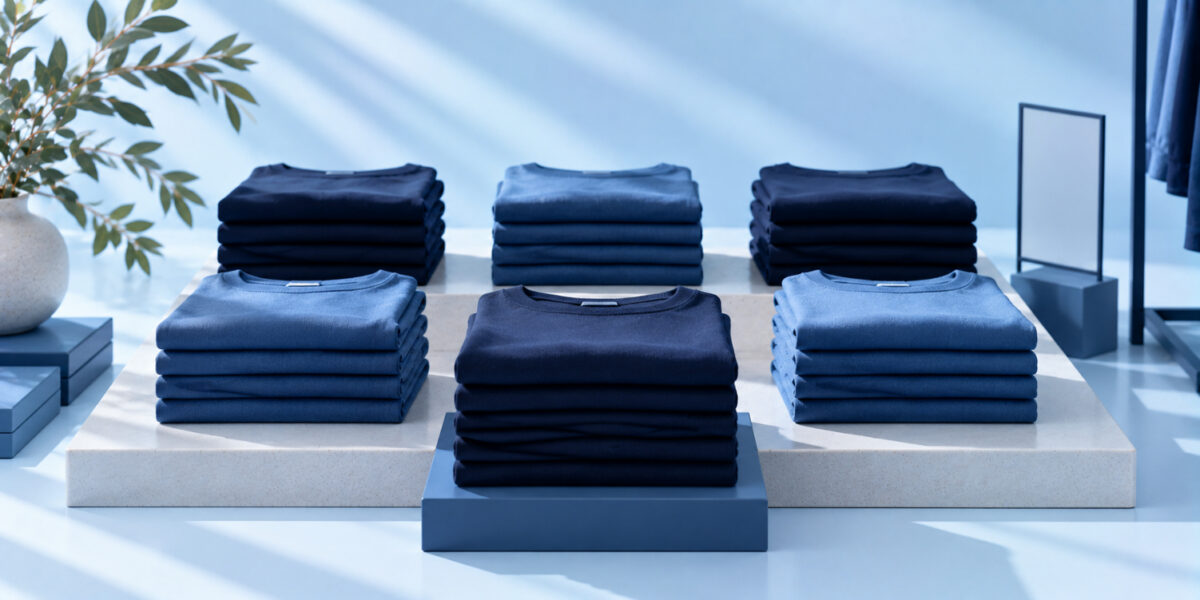
Merchandising decisions grounded in store data have transformed retail, especially for apparel retailers operating in a competitive environment. Relying on intuition for retail floor space allocation too often means high-value zones display poor-performing items or best sellers go unnoticed in less-visited corners. Data driven merchandising brings science to the art, ensuring that product placement retail data informs every move. This approach enhances sales, supports brand integrity and enables store operators to scale consistent standards across locations.
Understanding Retail Merchandising by Sales Data
Retail merchandising by sales data tailors visual presentation and product selection to proven buying habits. Where retailers once used gut feeling for shop layout best sellers, accurate metrics now guide every rotation. Connected systems, such as small retailer POS software or a robust retail inventory system, reveal not just what sells but where—giving each square metre measurable value. These tools highlight missed opportunities and link them directly to customer demands, streamlining choices for merchandise planning and display.
Allocating Retail Floor Space with Precision
Misallocation of prime floor space remains a costly oversight. Retailers commonly leave high-traffic areas stagnant, filled with items already plateauing or not selling. Product placement retail data allows for continual optimisation. By integrating sales analytics and apparel POS system insights, store managers can always keep the best-selling lines in high-visibility zones. Tools like retail stock software support automated rotation schedules, so no space goes underused—for small or multi-store operations, this enables cross-location consistency as well.
What Earns the Best Position?
The products with highest stock turn per square metre deserve the foremost positions. Systems flag these items by analysing historical sales patterns, current demand trends and performance by location. Managers no longer rely on memory or the latest supplier push. Instead, they focus on retail merchandising by sales data through easy-to-interpret dashboards. Sales analytics solutions can even suggest which lines to promote for an upcoming season or identify regional merchandise needs for each location.
The Power of Data Driven Merchandising in Visual Displays
Visual merchandising small retail strategies work best when informed by factual insights. Data driven merchandising means displays reflect what customers actually want, not merely what is available. Seasonal trends highlight which sizes, colours and patterns are in demand. Automated inventory management tools ensure no best-seller stays hidden or out of stock, and slow movers rotate out efficiently. Consistent refreshes based on retail inventory system reporting prevent fatigue, so regular customers always find something new.
How Often Should a Display Change?
There is no universal frequency, but data driven merchandising pinpoints optimal timing. High-traffic zones should refresh every two weeks if performance dips or when fresh lines arrive. Sophisticated retail floor space allocation software can alert staff to stagnation, using metrics from the shop layout best sellers reports. Small retailer POS software makes it simple to coordinate these changes across multiple branches, streamlining operations for managers overseeing several locations.
Measuring the Impact of Merchandising Adjustments
Changing shop layout without measuring the results risks wasted effort. Success in merchandising fashion store layouts depends on setting benchmarks and tracking progress. Compare pre- and post-change sales, footfall data and dwell time for each display. If a new arrangement draws more attention or increases cart value, continue the pattern. Retail merchandising by sales data answers the essential question: Did the change actually boost revenue or just shift products across shelves?
What Should Never Move?
Some fixtures deliver reliable value, such as essential add-ons or impulse items near checkouts. Reports from retail stock software often confirm that peripheral products, even when slow sellers, drive supplementary sales. These should retain their placement unless compelling data suggests otherwise. Regular audits using sales analytics ensure that habitual placements do not cost more than they deliver.
Merchandising for Gift Buyers
Apparel retailers often overlook the unique journey of the gift buyer. These buyers move differently through the store, seeking inspiration or recommendations. Product placement retail data identifies which zones attract such customers and what sells as gifts. Displays featuring bundled items, clear signposting and easy access to best-selling gifts improve conversion rates. Inventory management synchronised with customer relationship management ensures relevant stock and timely suggestions via digital or physical displays.
Balancing Identity with Sell-Through
Many retailers grapple with displaying what sells best versus promoting signature lines that define store identity. A strategic approach to retail merchandising by sales data lets stores pair evergreen best sellers beside statement items. The data ensures a balance—core products churn sales, while identity pieces drive brand recognition. For multi-store operators, consistent framework guidelines help keep this balance across locations, driven by integrated apparel POS system and retail inventory system data.
Coordinating Store Layout Sales Performance Across Multiple Locations
Multi-site retailers confront the challenge of standardising shop layout best sellers strategies. Without transparency, one branch will excel while another underperforms. Cloud-based inventory management and POS systems bridge this gap. They centralise data, ensuring uniform visual merchandising small retail solutions across outlets. Regular reporting enables managers to benchmark performance, catch anomalies early and implement corrective actions. With central data, supply chain optimisation and consistent retail floor space allocation become routine rather than rare.
Keeping Multiple Stores Consistent
Templates for fixtures, placement and signage—fed by product placement retail data—make replication across sites simple. Store managers still retain flexibility for local nuances but follow best practise for main zones and hero products. Predictive algorithms within retail stock software can even recommend standard adjustments when customer behaviour shifts, supporting agile regional response and consistent shopper experience.
Measuring What Works and Offering a Free Demo
Choosing a strategy is less about theory and more about measurable outcomes. Retailers use metrics such as sales per square metre, inventory turnover rates and customer dwell time to judge whether merchandising changes prove successful. Real-time dashboards available via apparel POS system or retail inventory system platforms allow for immediate feedback and rapid iteration. Businesses considering upgrades can request a free demo, exploring customer relationship management, inventory management, sales analytics and supply chain optimisation. Modern solutions provide not just oversight but actionable suggestions, translating product placement retail data into genuine performance improvements for apparel retailers of any size.