
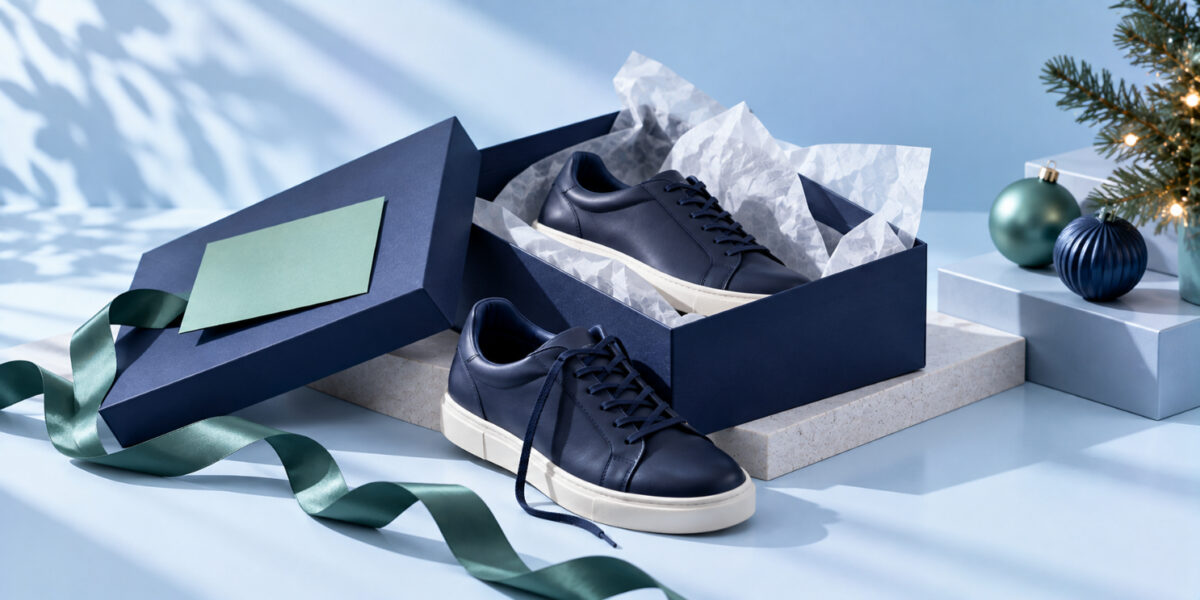
Each Christmas season, footwear retailers confront a unique test: Selling shoes as gifts amid uncertain sizing and style preference. For many, gift buying shoes presents an unmatched challenge because most buyers are not the eventual wearers so do not know the size they are buying for. As the shoe retail peak season emerges in December, questions abound for independent operators and apparel stores—how to stock, staff and communicate to maximise conversion while minimising January headaches. In this guide, we explore everything from inventory decisions to fitting service footwear retail practises, with insight into predictive sales analytics and retail inventory systems for professional managers.
Understanding the Footwear Gifting Problem at Christmas
Christmas triggers a spike in shoe shop gift buying, but it remains the most complicated retail gift. Unlike apparel, the average buyer rarely knows the recipient’s size or preferred fit. This uncertainty leads to one of the highest exchange rates seen in retail every January. While traditional systems can track historic returns, next-generation retail inventory system and sales analytics tools now provide predictive insights to inform better decisions around size ordering and customer interactions.
Why Buyers Struggle With Sizing
Shoe sizes are notoriously variable, not just across brands but within styles, widths and even batches. As such, footwear sizing gift purchase questions dominate shop floors in December. Staff often hear: “She’s a size 5, but that varies—can I exchange if it does not fit?” Footwear retailers must be ready for these enquiries and build staff confidence with both fitting service and stock tools like small retailer POS software that surfaces size and width inventories instantly.
Stock Planning for Shoe Retail Peak Season
Shoe store stock planning Christmas requires not just reactive restocking but data-led forecasting. Using retail stock software and integrated inventory management platforms lets operators compare historical sales and January exchanges. Identify which sizes and widths triggered the most exchanges the previous year—did too much stock remain in size 7, or did size 8 run out? Analytics from last January’s footwear exchanges inform correct buy depths in common gift sizes, reducing overstock and unnecessary markdowns.
Which Products To Stock More Of For Gifting
Classic giftable models—slippers, boots and iconic sneakers—sell best during December, especially in sizes 5, 6, 7 and 8 for women or 8, 9, 10 and 11 for men. Free Demo tools within apparel POS system platforms help staff model which lines moved most in previous years and recommend ordering sufficient width and half-size options in top sellers. Processing January exchanges is more efficient when predicted by keen sales analytics, preventing margin loss from out-of-stock sizes or panicked markdowns.
Ensuring Sizing Depth Across Locations
For multi-store operations, keeping real-time size visibility is essential. Retailers using a robust retail inventory system can manage inventory depth by size, style and location. During the shoe retail peak season, swift internal stock transfers—made possible by integrated inventory management and supply chain optimisation—minimise customer disappointment, improve conversion and reduce excess holding. This approach supports a seamless gift buying shoes experience for customers seeking flexibility and reassurance.
Fitting Service Footwear Retail: Supporting the Gift Buyer
Independent shops and regional apparel stores excel with fitting service footwear retail strategies. Personal service matters most to gift buyers facing sizing uncertainty. Well-trained teams, aided by small retailer POS software, build trust by offering expert fitting advice, guidance on common size conversions and clear return or exchange policies. Fitting support combined with digital customer relationship management lets stores track preferences and personalise follow-up with gift buyers, encouraging repeat visits next season.
Setting Up Exchange Conversations at Point of Sale
Anticipating post-Christmas exchanges is key. Experienced sales staff introduce footwear exchanges January as a standard part of the purchase dialogue, explaining gift receipts and convenient swap options. Clear signage and polite scripts help normalise the likelihood of an exchange, preventing awkwardness and boosting customer confidence in the shopping decision. Shoe shop gift buying becomes less risky when customers feel supported, not just at sale but after the holiday rush subsides.
Gift Receipting and Policy Communication
The gift receipting process for shoes must be simple yet thorough. Technology-driven apparel POS systems can produce gift receipts automatically, excluding price, and link the purchase to digital records. These features streamline January processing, helping retailers perform exchanges without showing the purchaser’s outlay. Communicating this service when buying shoes reassures customers and sets expectations for a seamless after-holiday experience, mitigating stress for staff and shopper alike.
Balancing Margin and Customer Experience During January Exchanges
Managing footwear exchanges January is not only about customer satisfaction but also preserving profit margins. Offering immediate exchanges or store credit rather than refunds keeps money within the business. Retail inventory system tools and predictive sales analytics inform which inventory from January is prone to high-volume exchange, letting buyers prepare markdown strategies in advance while minimising deep discounting. This approach retains brand value and sustains repeat business from happy gift recipients.
Handling Common Sizing Pitfalls
Maintaining adequate depth in popular sizes limits disappointment and lost sales. It is often not enough to stock the middle sizes—having width variations and half-sizes on hand ensures that more customers walk away satisfied. Using sales analytics and supply chain optimisation software helps operators adjust open-to-buy by forecasted demand. Staffed fitting service counters, paired with digital size visibility across branches, raise the odds every recipient ends up with the right fit at the first attempt or after a quick exchange.
Leaning on Technology for Gift Buying Shoes Season
Peak gifting periods reveal the benefits of technology-led inventory management. Small retailer POS software, apparel POS system modules and efficient retail stock software create a foundation for streamlined stock checks, seamless transfers and informed staff. The rise of predictive analytics provides actionable answers to which lines to reorder, which sizes require more depth and where surplus or shortfall risk sits before the critical dates.
Improving Visibility and Responsiveness
Real-time size and style availability across every outlet empower teams to serve customers regardless of where the stock resides. From the fitting service counter to the back office, instant access to data drives proactive decision-making. As footfall peaks before Christmas and during the return-heavy phase in January, Customer Relationship Management platforms keep records of high-value gift buyers, enabling tailored communication and premium service.
Learning From Last January’s Data
The period following Christmas is an opportunity to refine buying and stock planning for the next cycle. Thorough analysis of last January’s footwear exchanges can reveal blind spots—perhaps an over-ordering of niche widths, or under-buying of popular gift lines in half-sizes. Leveraging sales analytics maximises local expertise, turning historic pain points into future competitive advantages. By tracking which models become exchange leaders, retailers avoid costly mistakes and invest where demand aligns with recipient tastes.
Free Demo and Trial: Preparing Your Team and System for the Next Peak
Independent footwear retailers and apparel stores venturing into shoe retail peak season benefit from trialling new systems before December’s rush. Free Demo offers from retail software providers let managers test workflow improvements, spot staff training needs and verify integration with existing POS or retail inventory system tools. Such preparation readies the whole operation—from fitting service footwear retail on the floor to margin management in the back office—for a smoother, more profitable festive season. Those who plan using real-life exchange data and predictive technology find their Januarys are a lot more predictable and their Christmases considerably merrier.