
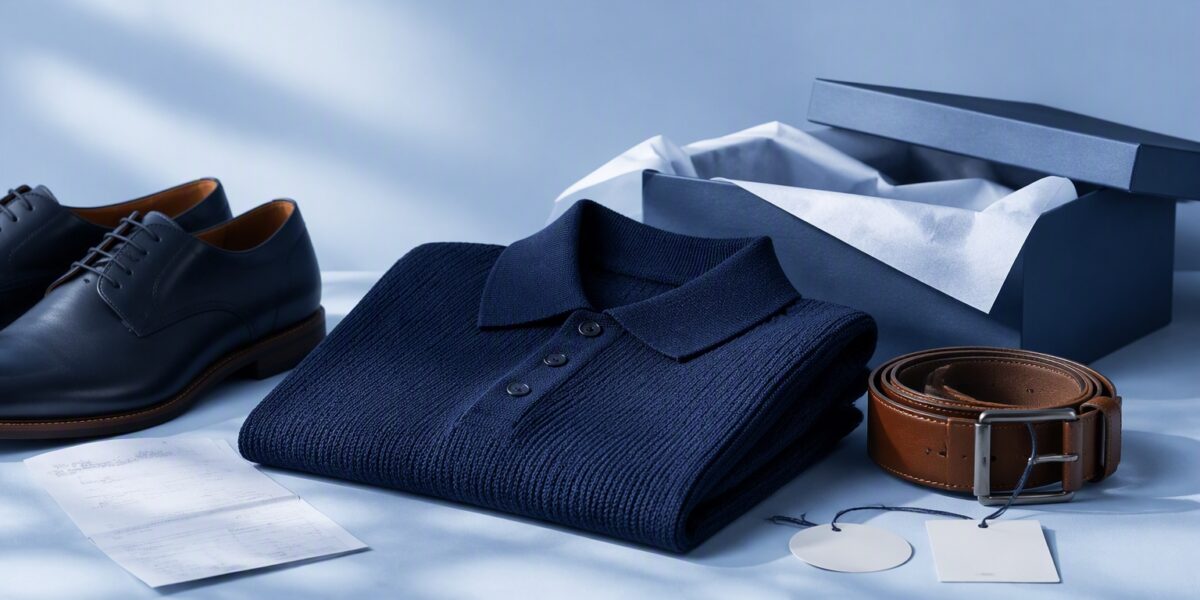
Father’s Day on 6 September has secured its spot as a date of true significance for apparel retailers across Australia. Acting as the year’s first benchmark for menswear, footwear and workwear, this occasion presents not only an opportunity for a trading boost but also a reliable test to foresee broader Christmas performance. Savvy businesses seek accurate trading indicators and exploit real-time shifts to maximise results. Digging into what sells for Father’s Day and what lingers in stockrooms can shape strategic plans well beyond this four-day gift rush.
Understanding Father’s Day Retail Sales
The trading spike around Father’s Day consistently sparks debates among retailers about its role in shaping inventory strategy. Four concentrated days of sustained consumer footfall and online activity produce a mini-season of their own. Gift buying retail data repeatedly shows this event is unique compared to other retail peaks, delivering a clean read on what gift buyers prioritise and which products stack up in demand. For menswear in particular, Father’s Day requires precise stock planning and the insights gathered help guide decisions for the rest of the retail year, especially with stock, sizing, and pricing models tailored for set-gift purchasing preferences.
Father’s Day Gift Trade in Australia – The First Indicator
With a shorter lead time than Christmas or Mother’s Day, Father’s Day is the quickest litmus test for buyers’ sentiment and for the effectiveness of recent stock decisions. It often reflects the real impact of previous trading analysis and inventory forecasting. Merchants expect trends in colour, size and style to shift, yet time and again, reliable gift favourites emerge in the retail event trading analysis. The types of products that move during this brief window often foreshadow broader festive-period trade, making it essential to pay attention to both sell-through rates and what items remain in stock past the rush.
Stock Movement Patterns and Product Hotspots
Every year has its heroes – usually concentrated in accessories, knitwear, classic shirts, premium branded trainers and versatile jackets. Socks, belts and wallets round out the dependable options, while selected tech wearables can deliver a sales spike for stores targeting younger shoppers. Gift buying retail data underlines the importance of merchandising around recognisable, reliably popular categories. Products that lag, such as highly seasonal outerwear or niche accessories, frequently indicate trouble for retailers who have failed to align assortment with Father’s Day expectations.
Key Data on What Sells for Father’s Day
The sales analytics driven by platforms like StyleMatrix help refine understanding of these patterns. With real-time and historical data layered together, apparel retailers see which SKUs dominate and which miss the mark. Historically, multi-buy offers on basics, novelty gifts and mid-tier fashion pieces outperform luxury items except in premium locations. Early analysis helps clarify if certain categories or ticket prices are ascending or declining — vital intelligence for immediate replenishment or markdowns.
Planning for the Father’s Day Spike
Effective Father’s Day stock planning begins months in advance, but the window for peaking supply lines is early August to late August. Most retailers review the prior year’s event trading analysis, then apply those learnings to the upcoming assortment mix. Key actions include running automated low-stock alerts, monitoring sales velocity, and collaborating with suppliers for timely replenishment. With cloud-based inventory management and AI-powered suggestions, teams can avoid overstock scenarios while also meeting late demand surges. The ability to make agile decisions – such as running a Free Demo for new AI forecasting tools – can prove decisive in crowded markets.
Lead Times and Inventory Efficiency
Many apparel retailers find that the correct lead time for best sellers is four to six weeks before 6 September. Shorter timelines risk stockouts on high-velocity lines, while longer lead-ins may saddle stores with excess inventory should trends shift. Automated demand planning helps prevent these issues. Leveraging predictive analytics, stores can pre-empt which styles, brands and colourways will command the most attention during the event.
Targeting the Right Price Points for Gift Buyers
Gift buyers for Father’s Day usually show a clear preference for middle-tier pricing. Gift buying retail data collated across men’s shirts, footwear, workwear and accessories often reveals the sweet spot between $50 and $150. Packaged gift sets, multi-buy offers, and feature displays of ‘best value’ options consistently outpace high-ticket or niche products during this period. This insight supports not only pricing strategies but also visual merchandising and promotional planning. Maximising visibility for these mid-range products ensures the broadest appeal and quickest sell-through.
Lessons from Purchase Data
Retailers deploying platforms like StyleMatrix to manage gift buying retail data see how brand loyalties, age segments and even payment preferences cluster around certain SKUs. Analysing granular data reveals that younger buyers tend to invest in sport-inspired fashion and casual trainers, while older customers favour classic formalwear and versatile separates. Matching these insights to price points and display design can double conversion rates, encouraging more efficient seasonal trade planning in retail settings.
Measuring the Aftermath: Retail Event Trading Analysis
Once the dust settles on Father’s Day, the real learning begins. The strongest retailers study sales analytics not just to celebrate what worked but to understand which offers missed. Industry experts recommend running a comprehensive retail event trading analysis immediately after 10 September, isolating promotional effectiveness, overstock levels and basket size against forecasted results. This review produces not only a record for next year but an immediate template for fourth-quarter plans – especially the Christmas campaign.
Key Metrics for Post-Event Review
Retailers most often focus on sell-through by category, volume of discounted (vs full-priced) units moved, traffic-to-conversion rates and return statistics. This reveals not just what sells for Father’s Day but also what customers rejected or deferred. Attention to lost opportunities can help refine promotions, while an accurate read of excess stock helps inform markdown strategies. Apparel retailers that use StyleMatrix’s AI-powered inventory tools can iterate their strategy rapidly, mitigating risk for peak periods ahead.
What Father’s Day Teaches Christmas Planners
Father’s Day is far smaller than Christmas sales events, but its four-day surge provides a remarkably clean signal about the tactics and products that will matter at year’s end. Products and price points that proved highly desirable, but which sold out early, should form the backbone of November’s replenishment schemes. Colourways and sizes that only shifted with deep discounts suggest caution for future orders. New brands tested over Father’s Day that saw strong traction can be integrated more heavily into Christmas promotions, giving retailers an early-mover advantage.
Stock Risk and Avoiding Gift Leftovers
If one problem haunts seasonal trade planning in retail, it is the risk of being left with unsold event-driven gift stock. Using real-time sales analytics and AI-driven order logic can help retailers reduce exposure. The routine is simple: Set automatic alerts for slow movers, run comparative performance analysis after two days of trading, and be ready to reprice or bundle as needed. Continuous monitoring enables action before the event concludes, reducing costly markdowns or lingering shelf-warmers.
Analysing Sizes, Colours and Customer Trends for Father’s Day Stock Planning
Accurate Father’s Day stock planning hinges not only on headline trends but also on understanding the nitty-gritty – size curves, colour popularity and even geographic differences. Apparel retailers equipped with tools like StyleMatrix report significant gains by mapping actual purchase behaviour, not just historical trends. Data consistently shows core size runs (M, L, XL) in proven colours such as navy, grey and black rank high in sell-through, while bold or specialty options see patchier performance unless supported by powerful promotion.
Who Buys Which Sizes and Colours?
Gift buying retail data often reveals clear gender splits in buyers (with partners and children dominating), and the age profile of the recipient shapes colour and style demand. Younger shoppers lean towards brighter, more modern hues, while older buyers select conservative colours and established brands. By holding detailed, real-time gift buying retail data, retailers can inform their future buying and marketing strategies, ensuring next year’s assortment lands more cleanly with their core gift-giving audiences.
Capturing and Retargeting Father’s Day Gift Customers
Higher-value Father’s Day retail sales often come from gift buyers new to the brand. Post-event marketing is essential for capturing these customers and turning them into repeat shoppers. Integrating CRM data with sales analytics allows businesses to identify gift-buying patterns and preferences. This let them personalise follow-up campaigns, such as exclusive offers or event-driven demos of new collections. Leveraging email, SMS and in-store experiences ensures the momentum from the holiday trading spike carries over into everyday business, maximising year-round profitability.
Retention Strategies Post–Father’s Day
Retailers who run Free Demo events or personalised shopping sessions see greater retention rates among new gift buyers. Offering targeted discounts to those who purchased during the event or providing early access to Christmas previews can strengthen relationships and increase purchase frequency. Continually feeding customer data from StyleMatrix into marketing modules ensures assortments, incentives and communications remain relevant at each touchpoint.
Future-Proofing with Data: Year-Long Benefits
Businesses that prioritise analytics-driven seasonal trade planning consistently outperform peers resistant to digital decision-making. Father’s Day offers a controlled, measurable event for testing strategies, which then inform the bigger seasonal campaigns ahead. The lessons learned around optimal order quantities, price sensitivity, best-sellers and customer interest carry straight into decisions about stock placement for Black Friday, Christmas and Boxing Day. By embedding platforms like StyleMatrix into both point-of-sale and analytics systems, apparel retailers create a feedback loop that constantly hones trading success. Looking ahead, this continual improvement turns each event spike into a blueprint for future, data-backed profitability.
See StyleMatrix on your own numbers
If Father’s Day Retail Sales is something you’re working through, it’s worth seeing how the platform handles it.
StyleMatrix is a retail POS and inventory platform built for independent fashion, footwear, workwear and wholesale retailers across Australia and New Zealand. Craig Cookesley runs the demos himself — three decades in Australian fashion and footwear retail, so it’s a conversation about how you’re set up rather than a pitch.
Request a Product Demo – StyleMatrix™
Try before you buy. Get a personalised demo to explore how StyleMatrix’s innovative tools can revolutionise your retail business.