
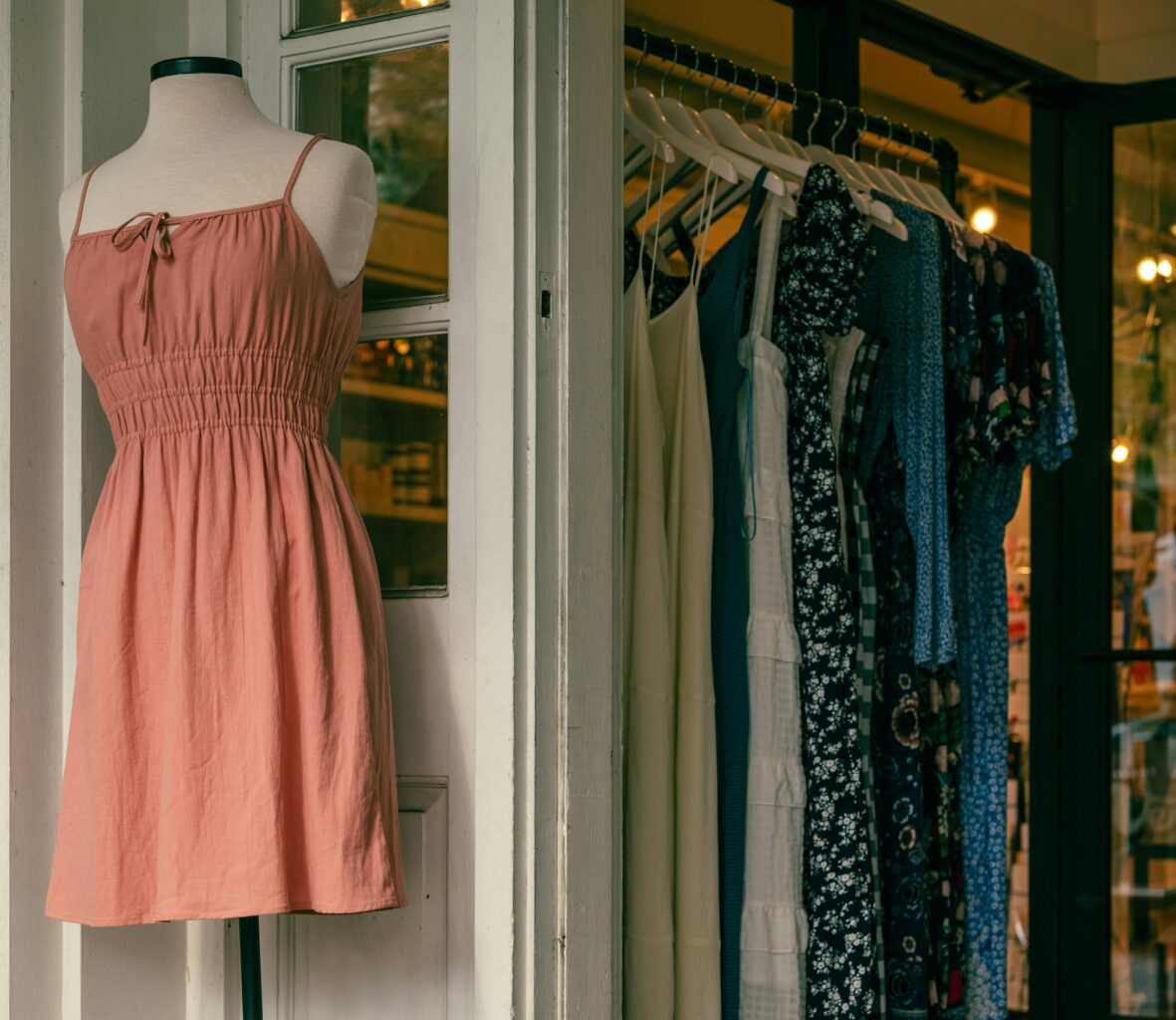
Running a boutique clothing store can feel like an endless balancing act. Unlike large retail chains, boutique owners often work with limited budgets, leaner teams and smaller but carefully curated collections. However, the inventory management challenges they face are just as complex as those encountered by large-scale retailers. Each piece must be tracked by style, size and colour, while maintaining financial health and delivering an exceptional customer experience. This blog explores what small fashion retailers truly need when choosing an inventory management system and how the right technology can make a measurable difference.
Boutique Retailers and the Complexity of Inventory Management
For a boutique clothing store, inventory management happens on a much smaller budget, often with fewer staff. The focus on a tighter, unique range of apparel does not mean the workload is less challenging. In fact, keeping track of which size or colour sold out, when to reorder key styles or how to act on emerging sales trends often requires a degree of hands-on attention that larger stores solve with bigger teams. Achieving high efficiency, even with a curated range of twenty to thirty styles per season, demands a fashion boutique inventory system Australia that is built for these unique needs.
Why Generic Systems Fall Short
Many small retailers consider popular solutions like Square or Shopify POS. While these systems provide basic stock control and sales functions, they often overlook apparel-specific requirements. For example, generic systems may not support a size or colour matrix, limiting insights at a granular level. Without advanced analytics, it is difficult to identify sales patterns, sell-through rates by size or how certain colour-ways perform in different locations. As a result, small businesses using these tools may struggle with slow responses to trends, inaccurate stock replenishment and unnecessary markdowns.
Top Five Inventory Challenges Facing Small Fashion Retailers
Small boutiques encounter several critical pain points that standard inventory management does not always solve. Manual stocktakes are time-consuming and prone to errors, particularly when tracking styles across many sizes and colours. The lack of real-time sell-through data limits insight into which items move fastest or are likely to run out. Buying decisions often happen AD hoc, guided more by intuition than by accurate sales analytics. Markdown triggers are slow, risking missed sales opportunities. Finally, without integrated customer relationship management, it is hard to capture customer purchase history or preferences, putting loyalty at risk.
Manual Stocktakes and Audit Fatigue
Stocktakes are often dreaded, mainly when they require closing the shop or working out of hours. With boutique clothing store POS technology built for fashion, even small stores can move to rolling stocktakes. This approach means checking segments of the store weekly rather than everything at once. With inventory software small fashion retailer focused, audits become quicker and error rates drop. The best systems provide accurate records so you know what to re-order without delays.
What Sets a Boutique Inventory System Apart?
The main difference lies in customisation. A small fashion retailer inventory system must cater to style/size/colour logic as a standard, not as an add-on. It should offer robust product hierarchies and allow analysis by variant, letting you see which size runs out first or which colour gets returned most. Reporting should focus on actionable data relevant for boutiques, like sell-through by style, weeks of cover, and precise size curves, all of which guide buying decisions.
Enterprise vs. Boutique Needs
Enterprise-level solutions tend to be expensive and complex, designed for hundreds of users across many locations. Smaller boutiques do not need this scale but require depth in specific areas. Cloud-based boutique retail stock management should be affordable, intuitive and scalable so it works for one or two sites but grows with you. Onboarding must be quick—sometimes in less than a week—and rely on local support that understands seasonal and localised buying patterns.
Making the Most of Size-Curve Data
One of the big myths is that only large retailers benefit from data-driven size decisions. Even with a seasonal assortment of twenty to thirty styles, tracking which sizes sell out and which sizes linger helps sharpen next season’s buy. By using inventory software small fashion retailer tailored, each sale adds value to the dataset. Over several seasons, this data creates a feedback loop, guiding more accurate investments in stock, fewer overbuys of hard-to-shift sizes and better use of storage space.
Fine-Tuning Size and Colour Buy
Modern inventory management boutique clothing store systems with predictive analytics let you see at a glance which size or colour has high sell-through. With real-time updates, you can set automated reorder thresholds, reducing missed sales. Buyers then have clear evidence for which SKUs to expand or reduce in upcoming ranges, resulting in leaner inventory and greater cash flow efficiency.
Leveraging Customer Loyalty and Purchase History
Boutiques can develop deep brand loyalty by understanding shopper preferences and habits. Customer relationship management tools built into the boutique clothing store POS allow tracking of which customers favour certain styles, brands or sizes. Staff can offer more personalised service, suggesting new items in a favourite size or alerting the customer when a beloved brand returns. Unlike big chains, boutiques can build genuine relationships that drive repeat visits and referrals. Using historical purchase data, they can also plan more targeted promotions, making every marketing pound work harder.
Optimising the Stocktake Process for Boutiques
Many boutiques underestimate the impact of good processes for stocktaking. Ideally, rolling stocktakes should happen weekly or bi-weekly. With the right boutique retail stock management system, a full stocktake in a small store should take no longer than two hours and accuracy can approach 99%. Mobile-enabled solutions allow scanning from anywhere in the store, eliminating paperwork and drastically reducing manual input errors.
Managing the Buying Calendar: From Budget to Supply Chain Optimisation
Planning seasonal buys on a tight budget is a challenge for every boutique. The cycle of previewing, ordering, receiving and replenishing stock must fit the available cash flow and storage. Smart buying calendars, supported by StyleMatrix technology, can help boutiques visualise when new deliveries arrive and when to sell through. Supply chain optimisation tools flag which lines need reordering based on predicted demand, which minimises overstock and reduces holding costs, essential for boutiques with limited space.
Technology and Agile Planning
Using sales analytics together with size matrix features, boutiques can react quickly when an item outperforms expectations. Automated alerts signal when lines reach low stock, and predictive analytics recommend prompt reorder or markdown actions. This means no more guesswork, just informed decisions tailored for boutique operations.
How Fashion Boutique Inventory Systems Scale Down for Smaller Retailers
Some business owners believe advanced inventory technology is only for large chains, but modern cloud platforms now scale down efficiently for boutiques. Whether you run one high-street store or are growing to two locations, the system adapts to your needs. Onboarding is often completed in just a few days, with support staff guiding you through data import, user training and configuration. StyleMatrix ensures that smaller retailers gain the same real-time data and analytics as chains, without complexity or prohibitive costs.
Experience a Boutique-Specific Demo
Curious why the right boutique clothing store POS makes such a difference for small fashion retailers? See how StyleMatrix meets the needs of businesses of every size. Book a free 20-minute demo and discover smarter, more profitable ways to manage your boutique fashion inventory.
Want an inventory management system built for the way your boutique actually works? Speak with our fashion retail specialists at StyleMatrix via our contact page or book a demo at a time that suits you.
Written by Craig Cookesley.
Owner, StyleMatrix