
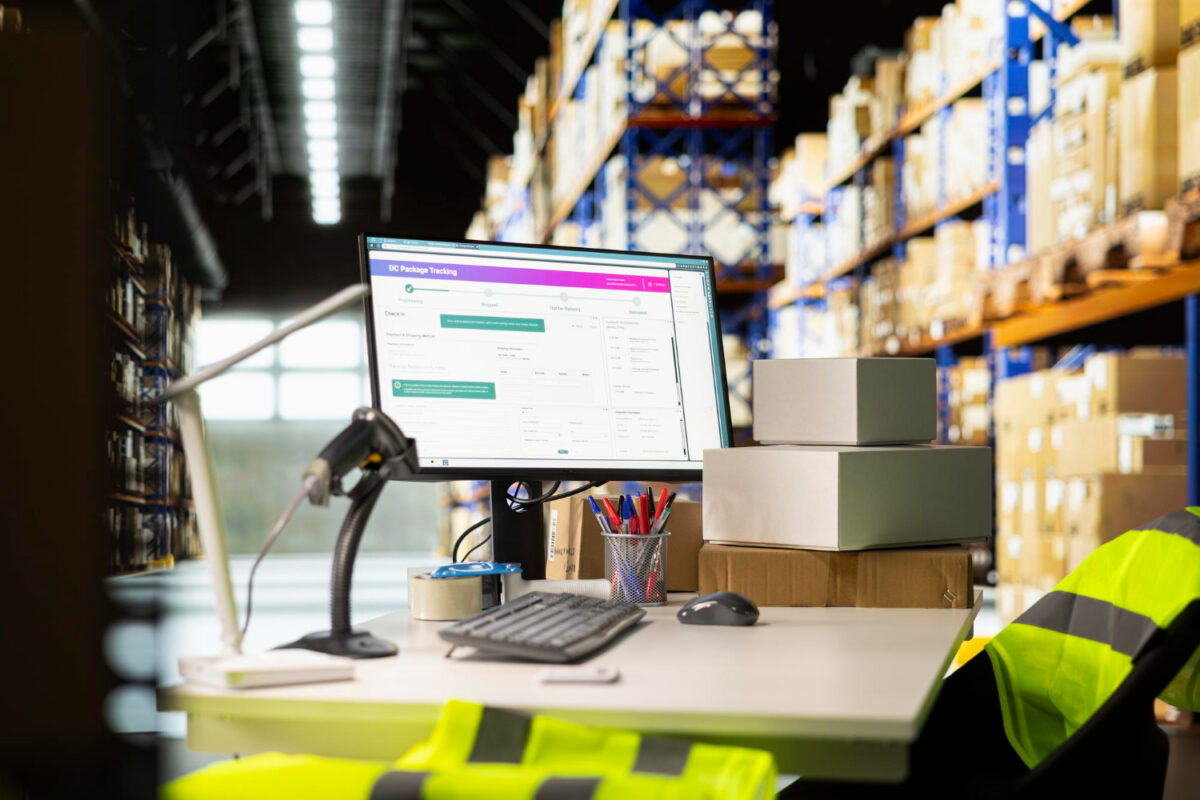
Retail inventory management has traditionally centred on keeping accurate stock records. The core questions remain constant: How many products are currently in stock? What items have already sold? Which lines require reordering? Where exactly is inventory located? Accurate answers to these questions help retailers manage supply, demand and cash flow daily. Today’s professionals must also interpret inventory data more strategically to support operational and commercial goals. Retail stock management software, especially solutions powered by AI, adds entirely new dimensions to how retailers work with inventory information, transforming the level of visibility and insight possible.
What Is Retail Stock Management Software?
Retail stock management software offers retailers the tools to track, organise and control inventory. This technology is much more than digital stock counting. It brings together inventory updates from stock receiving, purchase orders, sales channels and transfers between locations. Barcode-based stocktaking and integrated notifications for low stock levels are common, as are comprehensive reporting features. The software aims to deliver inventory accuracy and streamline how products move through a retail business, bridging the gap between physical operations and digital records.
Traditional Stock Tracking Versus AI-Powered Retail Inventory Tracking Software
Retail inventory tracking software has evolved considerably. Traditional systems focus on recording sales and inventory movement, producing regular stock-on-hand reports and highlighting units sold or remaining. These records remain vital for compliance and basic control. However, modern AI-powered retail stock management software now brings predictive analysis to the task. Instead of merely reviewing static figures, AI-driven systems analyse patterns across sales, inventory, product specifics and wider trends. Retailers gain the ability to spot unusual activity, forecast future demand or identify products needing intervention, all from analysing the data already being captured.
The Power of AI in Retail Stock Software
By analysing complex, multi-factor data, AI-supported inventory tools change how professionals understand their inventory. This is not a replacement for experience or commercial intuition but a way to gain a sharper, faster overview of product performance. AI algorithms can explore relationships between products, seasons, locations and customer buying behaviour in ways that surpass manual spreadsheet analysis. Underpinning these improvements is the core function of retail stock software: Making inventory information actionable, timely and precise to inform better business decisions.
Understanding Product Performance at Scale
Reviewing Fast-Moving and Underperforming Products
Managing hundreds or thousands of unique products can overwhelm even experienced buyers. AI-driven retail inventory tracking software streamlines this process, grouping products by categories, sizes or channels and surfacing those showing unusual sales patterns. Retailers can quickly pinpoint an item that is selling out more quickly than expected or identify those lagging behind. Segmenting this analysis across stores, time periods or product variants brings depth to business reviews and guides smarter decisions around displays, promotions and reorders.
Identifying Data-Driven Insights in Size and Colour Performance
Fashion and footwear businesses know how variable demand can be across sizes and colours. What looks like healthy overall sales can sometimes mask chronic shortages in particular variants or a build-up of unwanted stock elsewhere. Modern retail stock software can break down sales and stock data to this granular level. AI functions analyse which size or colour options need attention, whether due to consistent sell-outs or slow movement, and generate targeted actions for corrective ordering or promotions, supporting better inventory management and customer satisfaction.
Spotting and Responding to Inventory Challenges Early
Earlier Detection of Potential Stock Problems
Stock problems rarely announce themselves clearly. High sales velocity in one location, for instance, might mean an item is about to run short, even if central warehouse figures look reassuring. Conversely, excess stock can sit unnoticed in a slower location. AI tools help to identify outliers, unusual patterns and hidden risks. Smart notifications and data-driven alerts ensure that professionals can respond to exceptions before they impact sales or margins, freeing managers from manual cheques across multiple reports.
Smart Replenishment through AI Analysis
Deciding what, when and how much to reorder is a delicate balancing act. AI-powered inventory management goes beyond simple reorder points. By factoring in sales histories, supplier lead times, seasonal effects and minimum quantities, software tools can recommend or automate purchasing with a high degree of accuracy. These systems learn from historical and current data, making suggestions that reduce overstock and stockouts while supporting profitability goals. Users always retain the ability to review or override recommendations as commercial judgement still plays a key role in purchasing decisions.
Inventory Visibility Across Multiple Locations
Multi-location retailers face distribution challenges not encountered by single-site stores. Without consolidated visibility, one site might be overstocked while another is missing sales opportunities. Retail stock management software with robust multi-location features provides unified visibility across all stores and warehouses. AI analysis then surfaces opportunities or risks between locations, helping teams decide where redistribution might prevent lost sales or where stock transfers can reduce unnecessary reordering. This streamlined visibility is essential for retailers operating both online and bricks-and-mortar channels.
Turning Reports into Actionable Outcomes
Reports only deliver value when they drive effective action. Retailers today demand that their software offers actionable, relevant and comprehensive reporting. Sales analytics tools translate data into clear recommendations, whether for markdowns, bulk buying or promotional activities. Supply chain optimisation features help retailers make better purchasing and transfer decisions by connecting the dots between suppliers, stores and customer behaviour. With user-friendly dashboards and AI-powered analysis, modern retail inventory tracking software puts timely, accurate insights directly into the workflow of decision makers, reducing guesswork and manual analysis.
Essential Features to Assess in Retail Stock Management Software
Retailers considering new stock management solutions should focus on specific capabilities. Key questions include: Does the platform support multi-attribute products such as size and colour? Will it analyse and recommend on the basis of real sales and current stock? Can the system account for seasonal peaks, location-based differences or fast-changing customer preferences? Does it offer transparent, explainable recommendations or only black-box outputs? Is the software secure, with user controls for managing business data? The quality of AI support depends on both the breadth of data included and how easy it is for humans to understand, review and action recommendations.
The Strategic Benefits of AI-Driven Retail Stock Software
Using AI-supported inventory management can help retailers achieve a sharper understanding of stock health, faster responses to emerging trends and better alignment between customer demand and available inventory. Businesses can use Customer Relationship Management insights to shape stock allocation, linking what is held in stores to real customer needs. Supply chain optimisation and integrated sales analytics support proactive decision-making on order quantities, discounting and redistribution between locations. By managing inventory more actively, professionals reduce unnecessary carrying costs, improve turnover and enhance customer experience with products that are available where and when needed.
Staying Ahead with Retail Inventory Tracking Software
AI-powered retail stock management software is reshaping how retailers gather, process and act on inventory data. As more professionals seek to align data-driven insights with operational performance, the combination of inventory management, Customer Relationship Management, sales analytics and supply chain optimisation offers a powerful toolkit. The potential for better outcomes relies not only on adopting new technology but on choosing solutions that deliver practical, explainable and actionable insights at every level of the retail organisation.