
Fashion retail is evolving at a rapid pace, with shifting consumer behaviors and heightened competition driving the need for smarter technology.
5 Reasons AI Inventory Software Revolutionizes Fashion Retail Stock Management

Fashion retail is evolving at a rapid pace, with shifting consumer behaviors and heightened competition driving the need for smarter technology.

The retail sector continues to witness significant changes, especially in how inventory is monitored and controlled. Emerging technologies like

Artificial intelligence (AI) is rapidly emerging as a fundamental component in the world of inventory management, particularly within the retail

Effective inventory management is increasingly recognised as a cornerstone for achieving cost reduction, profitability and a strong market
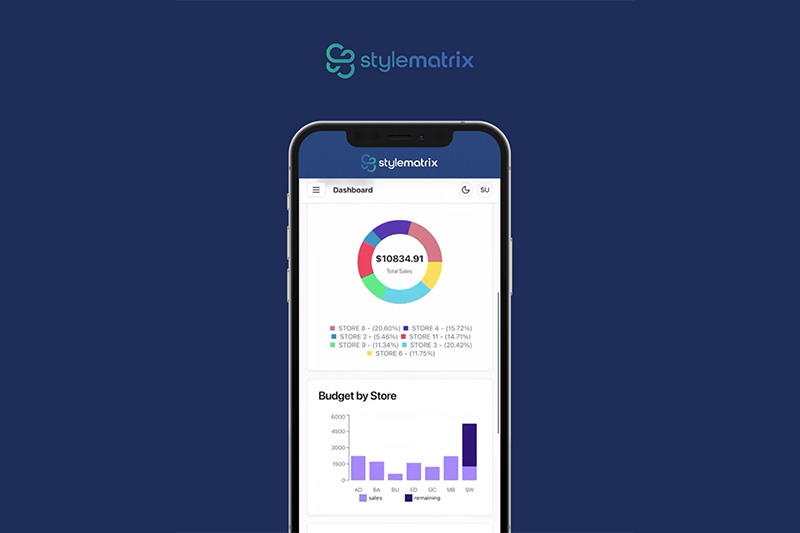
For retailers and wholesalers seeking to raise their efficiency, well-executed inventory management remains a constant priority. The balance between having enough products to meet customer demand and avoiding costly excesses is intricately tied to data-driven forecasting. As the market in Australia for apparel, footwear and related wholesale businesses becomes more sophisticated, new tools powered by

Choosing the right inventory software in 2025 has become a strategic necessity for retailers, wholesalers and businesses aiming to stay ahead in the highly competitive retail environment. With shifting consumer behaviors and technology advancements, the decision is less about simply upgrading old processes and more about positioning your business for future growth. Professionals in footwear

In the world of retail and wholesale, managing inventory efficiently is crucial for maintaining profitability and operational fluidity. Dead stock, or inventory that remains unsold for an extended period, can significantly hamper cash flow. According to Forbes, dead stock costs retailers a staggering $50 billion annually in lost revenue. Thankfully, the advent of AI-powered inventory management

For footwear retailers, effective demand planning is a fundamental factor in sustaining profitability and ensuring customer satisfaction. With the complexities of modern retail, compounded by evolving consumer preferences and external pressures, accurate demand planning has never been more vital. This blog delves into what every footwear retailer needs to know about demand planning.
The Importance of E-Commerce Integrations in Fashion Retail In today’s digital age, the fashion retail industry relies heavily on a seamless integration between physical and online storefronts. With 88% of consumers expecting smooth transitions between online and in-store shopping experiences (Think with Google), retailers need robust solutions to meet these demands. This necessity is where
In the wake of the COVID-19 pandemic, the global supply chain has experienced disruptions that have left many industries grappling with unforeseen challenges. According to McKinsey, supply chain delays have affected 70% of fashion retailers, leading to widespread retail stock shortages. As businesses strive to remain competitive, addressing these supply chain challenges becomes ever more