
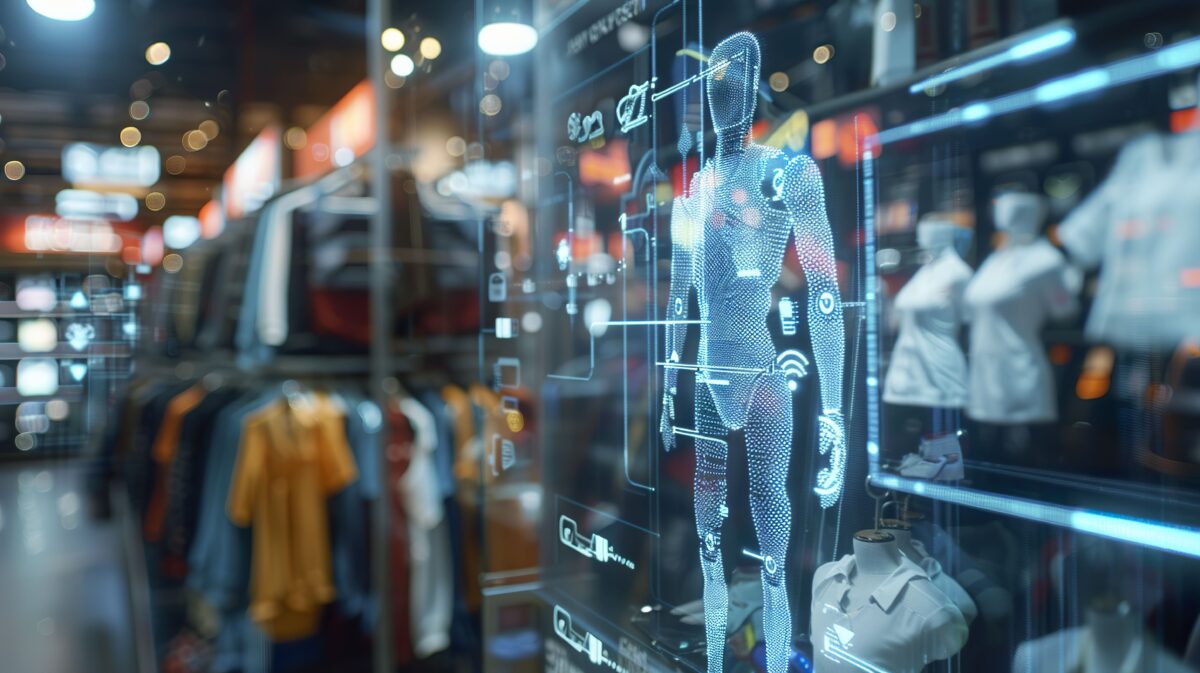
Australian fashion retailers operate in a market where consumers expect seamless transitions between online and physical stores. With the boundary between ecommerce and bricks-and-mortar shopping now nearly invisible, retailers face a significant challenge. Managing inventory across all channels in real time has become not only a necessity but is directly tied to customer satisfaction. Stock mismanagement can lead to overselling, missed sales opportunities and customer disappointment. Omnichannel inventory management fashion solutions address these issues so Australian retailers can deliver exceptional experiences and stay ahead of the curve.
Understanding Omnichannel Inventory Management Fashion
Modern shoppers require the flexibility to browse online, reserve items for in-store pickup or have products delivered to their doorstep. This consumer behaviour has made omnichannel inventory management fashion a critical component of retail success. Fashion retail online and instore inventory systems must continuously synchronise data to provide a single, accurate source of truth. Traditional approaches to inventory management lack the required agility, leaving retailers exposed to stock discrepancies between physical and online channels.
Unified inventory management retail Australia implies creating an ecosystem where stock levels update instantly, regardless of purchase origin. Managing this process manually is not feasible for brands operating across multiple locations and platforms. Reliable solutions blend real-time data feeds and automation, creating reliable and accurate synchronisation between a retailer’s physical locations and its digital storefronts.
The Problem: Fashion Retail Online and Instore Inventory
At the heart of the omnichannel inventory challenge lies the issue of product availability. The same physical garment may be displayed in a Sydney boutique, listed on a Shopify store and featured on Google Shopping. Without unified inventory management retail Australia tools connecting all these endpoints, retailers run a growing risk. If three pairs of red size 8 shoes are available, selling one in-store without updating online platforms means overselling is likely. This scenario leads to cancelled orders, negative reviews and eroded brand loyalty.
In fashion retail, online and in-store inventory integration needs to account for real-time movements, inter-store transfers and reserved stock for layby’s or click-and-collect orders. Furthermore, seasonal trends or viral demands can quickly deplete inventory. Effective ecommerce inventory management apparel systems must be agile to accommodate these spikes and provide accurate data to both staff and customers at every touchpoint.
Unified Inventory Management Retail Australia: The Core Principles
Success with a multi-channel retail stock management approach relies on several foundational principles. The first is creating a true single source of stock data. When a sale occurs in a location like Melbourne’s CBD, every other channel—whether a Shopify store, mobile app, or partner marketplace—should reflect that sale immediately. Relying on scheduled batch updates or spreadsheets introduces delays and errors, undermining operational control.
Another principle is differentiating between physically held stock and available-to-sell stock. Items awaiting click-and-collect collection, on display or set aside for promotions should not be shown as available for immediate purchase. Retailers minimising this common error reduce overselling and deliver better customer satisfaction. Real-time analytics and AI-powered inventory insights help businesses accurately predict demand, ensuring stock levels align to actual sales patterns.
Essential Components of Unified Inventory Management
- Real-Time Sync: All sales locations and digital platforms update inventory levels in real time, regardless of where transactions occur.
- Centralised Data: One database governs all inventory decisions, simplifying reporting and forecasting activities.
- Automated Processes: From low-stock alerts to smart replenishment suggestions, automation improves efficiency and accuracy.
- Comprehensive Visibility: Staff view available stock across the network, aiding product location and customer service efforts.
- Integration with Key Platforms: Fashion retail software Shopify integration, and links with WooCommerce or Magento, enable seamless multi-channel operation for apparel and footwear businesses.
Shopify Inventory Sync Fashion Retail: Preventing Overselling in Online Stores
For fashion retail operations using Shopify, maintaining accurate stock levels across all sales channels is essential to prevent overselling fashion online store wide. Shopify inventory sync fashion retail tools close the gap between digital and in-store systems. Automated updates reduce manual entry, limit costly human error and minimise the chances of double-selling the same product. This is particularly important for retailers managing diverse catalogues of sizes and colours commonly found in apparel and footwear.
API-based integrations can recognise stock reservations from sources such as online bookings, in-store laybys and inter-store transfers. By capturing all variables in real time, Shopify inventory sync fashion retail solutions prevent unavailable products showing as in stock online. This enhances customer trust, elevates order fulfilment rates and preserves brand reputation. Retailers can pursue more aggressive cross-channel promotions without increasing the risk of costly overselling errors.
AI and Predictive Analytics Drive Inventory Optimisation
Advanced inventory management systems powered by AI and machine learning enable Australian fashion retailers to forecast demand with far greater accuracy. AI analyses historical sales trends, real-time order data and external factors such as holidays or weather patterns. Predictive analytics adapt to emerging trends, helping retailers allocate stock more effectively across various store locations and sales channels.
This technology also provides actionable suggestions, from optimising stock levels to recommending markdowns or automatic reorders. The seamless integration of AI-driven inventory insights into unified inventory management retail Australia platforms means businesses rely less on intuition and more on reliable data. This shift enhances efficiency and reduces costly mistakes, especially during peak seasons or sales events where demand may spike unpredictably.
Actionable Reporting and Alerts
- Automated Low-Stock Warnings: Systems issue notifications via SMS or email when key SKUs approach minimum thresholds.
- Intelligent Reordering: Recommendations allow teams to restore optimum inventory levels efficiently, based on all sales channels’ activity.
- Continuous Learning: Algorithms update forecasts and suggestions as new sales data arrives, providing ongoing accuracy improvements.
- Comprehensive Insights: Retailers gain an at-a-glance view of performance, profits and buyer behaviour, improving future planning.
Prevent Overselling Fashion Online Store: Practical Solutions for Retailers
Preventing overselling fashion online store inventory is one of the most consistent challenges for growth-focused Australian fashion retailers. Stock allocated for one sales channel must be reliably excluded from available-to-sell listings on others. With traditional spreadsheet methods or isolated POS systems, too many opportunities arise for errors. Multi-channel retail stock management platforms provide the foundation for accuracy and trust.
By leveraging unified inventory management retail Australia strategies, retailers create precise available-to-sell figures—distinct from on-hand stock totals. Items reserved for active online orders, pending returns or laybys are automatically removed from available inventory. This method reduces manual effort, limits costly refunds or discounts, and boosts customer confidence. A system that allows accurate, real-time stock updating prevents the brand damage often caused by confirming an online sale that cannot be fulfilled.
Integrating Store Stock with Ecommerce Channels
Omnichannel inventory management fashion solutions often include store fulfilment features, such as ship-from-store and click-and-collect. Rather than relying exclusively on a central warehouse, retailers can fulfil online orders using merchandise already stocked at physical locations. This broadens the pool of available inventory and reduces delivery times. Customer experiences improve, while overall sales increase as businesses make maximum use of existing stock.
Australian fashion businesses benefit as store staff can locate products across all locations using integrated systems and serve shoppers looking for specific variations of style, size or colour. Shoppers receive accurate information about store-level availability online, avoiding wasted trips, disappointment and negative feedback. Fashion retail software Shopify integration exemplifies this practise, offering seamless communication between instore and online databases to ensure information stays consistent and actionable.
Addressing Key Omnichannel Challenges in Australian Fashion Retail
Many Australian apparel and footwear retailers still face common pitfalls when it comes to omnichannel inventory management fashion initiatives. Some rely on isolated systems for different channels, which multiplies the chance for discrepancies. Batch synchronisation methods that update stock overnight leave windows of risk for overselling. Others hold significant inventory offline to hedge against mistakes, reducing the product pool available for immediate online sale and diminishing revenue opportunities.
Another prevalent error is failing to synchronise returns in real time. When a customer returns a product to a shopfront, the system may take up to 48 hours to reflect this available stock online. This delay potentially discourages customers seeking that item. Promotional synchronisation remains a challenge too: Product discounts and flash sales should apply consistently both online and in-store, avoiding confusion or frustration for shoppers.
Best practises for Omnichannel Fashion Inventory
- One Truth for All: Ensure all systems reflect the same data, with no isolated silos or manual updates.
- Real-Time Movement: Returns, reservations, and transfers should register instantly across all platforms.
- Precision in Availability: Differentiate “in hand” from “free to sell” inventory, reflecting items committed to other transactions.
- Minimum Buffers: Avoid large hidden inventory pools, as this ties up capital and reduces online sale opportunities.
- Channel-Wide Promotions: Apply discounts, markdowns, and special offers consistently across web and shopfront systems.
Implementing Ecommerce Inventory Management Apparel Solutions
Fashion retailers require systems tailored specifically for the complexity of apparel and footwear stock. Features like size, fit and colour variations complicate inventory management compared to other categories. Ecommerce inventory management apparel solutions must provide granular visibility and flexible reporting, supporting product variants and rapid stock movements across various locations. The integration of AI-driven forecasting tools further sharpens the competitive edge, ensuring each SKU’s availability aligns with predicted demand.
Enterprise-grade inventory software supports both everyday replenishment decisions and broader strategic efforts, such as preparing for busy sales periods or launching new collections. The additional layer of predictive analytics helps prevent both overselling and excess inventory, balancing profitability against stockholding costs. This proactive, data-driven approach keeps inventory lean, cash flow healthy and customer satisfaction high.
The Role of StyleMatrix in Modern Retail Environments
StyleMatrix stands out in the omnichannel inventory management fashion market by delivering near real-time inventory sync and actionable insights across all business segments. Integration with platforms such as Shopify, WooCommerce and Magento ensures instant updates with every transaction, preventing errors and double-selling. The AI-powered precision of StyleMatrix supports accurate forecasting, demand planning and automated reordering—aligning perfectly with the requirements for unified inventory management retail Australia.
By continuously analysing sales data across every channel, StyleMatrix’s matrix system recommends optimal stock levels and reallocation. Its design specifically suits the fashion and footwear industry, supporting variant-rich catalogues and seasonal demand shifts. Australian retailers using StyleMatrix benefit from reduced inventory holding costs and improved customer experiences. The platform’s automated alerts for low stock, smart replenishment and seamless integration with leading ecommerce solutions make it a preferred choice for retailers seeking reliable multi-channel retail stock management.
Empowering Retailers with Technology and Local Support
Combining advanced technology with personalised customer support ensures fast adoption and better outcomes for Australian fashion businesses. Local expertise is essential when configuring complex, multi-location operations or integrating with existing point-of-sale and ecommerce systems. StyleMatrix offers a blend of technical innovation and human guidance, which helps retailers maximise their outcomes.
Retailers implementing comprehensive inventory management solutions achieve higher sales conversion rates and minimise operational disruptions. The commitment to responsive customer service, together with ongoing software development, sustains long-term business success. The flexibility to manage stock from any device, at any location, meets the needs of modern retailers and supports agile decision making in the face of shifting consumer expectations.
Looking Ahead: Future Trends in Inventory Technology for Fashion Retail
As Australian fashion retail continues to embrace omnichannel strategies, further advancements in retail technology are anticipated. Future enhancements are expected to include more sophisticated AI-driven demand prediction, tighter integration between supply chain partners and advanced mobile-enabled management platforms. Retailers should invest in systems that grow alongside their own technology ambitions, allowing future adaptation as customer preferences change.
Expanded use of real-time data analytics will continue reshaping how apparel and footwear businesses approach stock optimisation and replenishment. Australian fashion retailers can expect to see increased benefit from connected systems like StyleMatrix, which unify inventory management and create efficient, error-free environments. Focusing on the right technology solutions remains a strategic advantage for all retailers aiming to succeed across physical and digital channels.
Stylematrix.io helps Australian fashion and footwear retailers reduce inventory costs by up to 20%, improve full-price sell-through, and make smarter buying decisions with AI.
Book a Demo
Written by Craig Cookesley.
Owner, StyleMatrix.